
Hello ☀
This is Miyu from the KNI Operations Team!
Recently, many of my posts have been small food experience stories from daily life in Japan, and I hope you enjoy them ✨
Today, I would like to share a story about Setsubun, one of Japan’s traditional seasonal festivals.
Childhood Setsubun Traditions in Japan
Since I was little, our family celebrated Setsubun every year with two main traditions:
- Eating Ehomaki (lucky direction sushi roll) silently
- Throwing roasted soybeans to drive away evil spirits
When we lived in the countryside, we also followed a unique custom. We placed a sardine head and holly leaves at the entrance of our house. It looked quite strange at the time
As I grew older, I became curious about the meaning behind these traditions. So, I asked “Google sensei” and discovered the cultural reasons behind them!
What Is Ehomaki?
Ehomaki is a special sushi roll eaten during Setsubun in Japan.
The tradition says that you should:
- Face the lucky direction of the year
- Make a wish
- Eat the entire roll silently without speaking
This direction represents the location of Toshitokujin, the deity believed to bring good fortune for the year.
In 2026 (Reiwa 8), the lucky direction for Ehomaki is:
South-southeast (slightly south)
The Meaning of “Hiiragi Iwashi”
Another Setsubun custom is called Hiiragi Iwashi.
This decoration uses:
- A sardine head
- A holly branch
It is placed at the entrance of the house to protect the home from evil spirits (oni).
The strong smell of sardine and the sharp holly leaves are believed to repel demons and negative energy.
Why Do People Throw Beans on Setsubun?
The famous bean-throwing ritual (Mamemaki) is another important part of Setsubun.
During this tradition, people throw roasted soybeans while saying:
“Oni wa soto! Fuku wa uchi!”
(Demons out! Good fortune in!)
The purpose of this ritual is to:
- Drive away evil spirits
- Protect the home
- Pray for good health and safety throughout the year
Rediscovering the Meaning of Japanese Traditions
When we grow up with traditions, we sometimes forget their original meaning.
But when I looked into these customs again, I realized that each ritual has a deep cultural purpose related to protection, health, and good fortune.
Japanese traditions are truly fascinating.
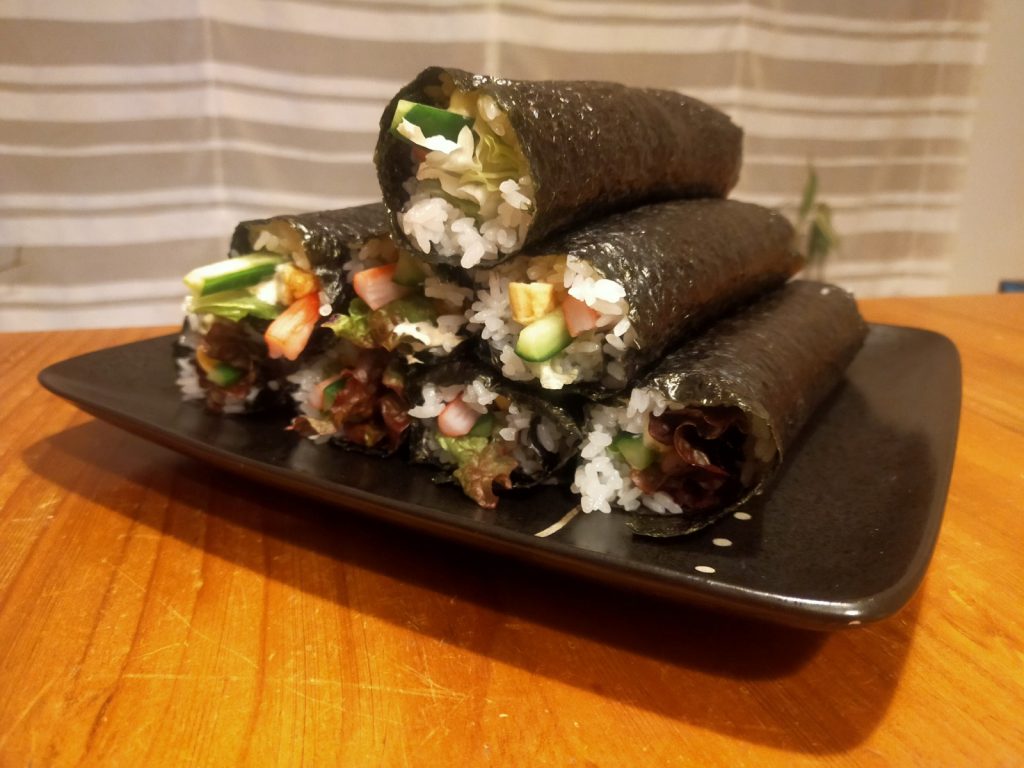
And of course… I must share a photo of my mother’s handmade Ehomaki, which is also my brother’s favorite every year ✨
Original Japanese Content (Written by MIYU)
こんにちは☀
KNIオペレーションチームのMiyuです!
身の回りの食レポみたいな投稿ばかりですが、楽しんでいただけていると幸いです✨
さて、今回は節分の時のお話です!
我が家では小さいころから、恵方巻を無言で食べきる&豆まきが毎年の行事になっており、田舎に住んでいたころはさらに、玄関の外にサンマの頭とヒイラギを一緒にして貼り付けておくという、なんとも奇妙なこともしていました
大人になった今、ふと、それぞれの意味が気になり、Google先生に尋ねてみました!
▻恵方巻は、その年の福を司る「歳徳神(としとくじん)」がいる方角を向き、無言で願い事を思い浮かべながら一気に食べ切るのが正しい作法。2026年(令和8年)の恵方巻の方向は「南南東(やや南)」。
▻節分の「ひいらぎいわし(鰯の頭と柊の枝)」は、邪気(鬼)を追い払い、家に入れないための魔除け・厄除けの風習。
▻節分の豆まきは、季節の変わり目に生じやすい病気や災害(=邪気・鬼)を払い、1年の無病息災を願う「邪気払い」の行事。
…ほほう。
なんとなく、両親から教わってはいたものの、ちゃんと調べてみると納得のいく行事でしたね~✨
習慣になると意外と忘れがちな本来の意味。面白い。
では、弟の大好物でもある、母手作りの恵方巻の写真を添えて…✨
Experience Japanese Culture with KNI Japan
If you visit Japan during winter, you may have the chance to experience traditional festivals like Setsubun, enjoy local food culture, and discover unique seasonal customs.
At KNI Japan, we help travelers explore authentic Japanese culture, festivals, and seasonal experiences.
Explore more travel stories and Japan travel guides here:
https://kn-tours.net/category/kni-japan-team-blog/
 Foreign Embassies in Japan